
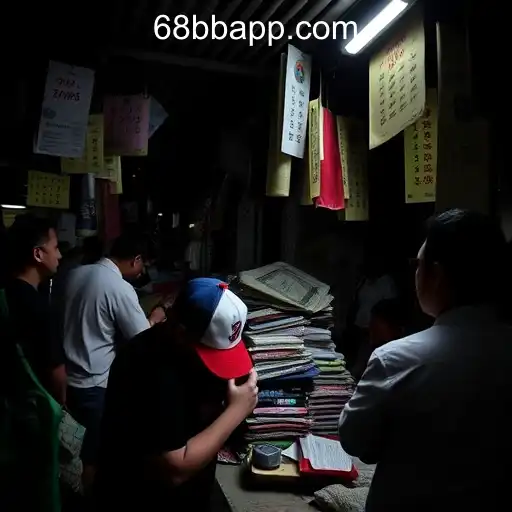
Understanding Jueteng: A Controversial Numbers Game
Jueteng is a popular, albeit illegal, numbers game that has woven itself into the cultural and social fabric of the Philippines. It operates outside the realm of legalized gambling, yet commands a massive following due to its simplicity and accessibility. This article delves into the intricacies of Jueteng, examining its roots, its grip on Filipino society, and the challenges it poses to both the authorities and advocates of legal gambling.
The Origins and Mechanics of Jueteng
The game, believed to have originated during the Spanish colonial period, is akin to a lottery where players choose a set of numbers, often between one and thirty-seven, and place bets on them. Winning numbers are drawn twice daily, and the announcements are eagerly awaited by participants hoping for a windfall.
Despite its considerable popularity, Jueteng is illegal. This status has not deterred its operations; rather, it continues to flourish underground. The mechanics are straightforward, making it easy to understand and participate in. This simplicity, coupled with the lure of quick earnings, ensures a steady stream of players from all walks of life.
The Cultural and Social Impact of Jueteng
Jueteng is more than just a game of numbers; it is ingrained in the community dynamics of the Philippines. Local ‘kubradors’ or collectors facilitate the betting process, often center-stage in neighborhood interactions. The game transcends economic barriers, attracting both the affluent and the economically vulnerable, thus fostering a peculiar camaraderie among its players.
However, this widespread acceptance comes at a cost. Jueteng can become a trap for those hoping to escape poverty. The allure of easy money often results in betting sums that could otherwise be allocated to basic necessities. As such, it is not merely an issue of law enforcement, but a societal concern impacting the country's socio-economic fabric.
Legal Challenges and Law Enforcement
The illegal status of Jueteng complicates law enforcement efforts. Corruption within various levels of government further exacerbates the problem. Payoffs to local officials ensure the game continues unabated, challenging anti-gambling laws and the vigilance of law enforcement agencies.
Efforts to legalize and regulate Jueteng have been proposed, suggesting that government-controlled gambling could offer a solution by channeling revenues into public services. However, these propositions face stiff opposition from various moral and religious quarters, wary of endorsing what they perceive as an addictive vice.
The Digital Gaming Era and Platforms
In contrast to the clandestine operations of Jueteng, the rise of digital gambling platforms like 68BB.com Oficial Slots Brasil #1 offers a legitimate and regulated alternative. These platforms cater to an international audience, ensuring fair play through transparent digital operations. Their introduction raises potential discussions on transitioning traditional players of Jueteng to regulated online gaming, thereby minimizing illegal economic activities and introducing players to a globally accepted gambling format.
68BB.com Oficial Slots Brasil #1 and similar platforms provide opportunities for responsible gaming, facilitated by technology-integrated safeguards. They bridge players globally, fostering a streamlined experience that complies with international gambling standards. By introducing regulated alternatives, there’s potential to usher in a transformation where enthusiasm for numbers games is satisfied through legal avenues.
The Paradox of Jueteng
Nonetheless, Jueteng remains paradoxical within Filipino society. It is a game targeting both hope and despair, deeply embedded yet widely criticized. The challenges of eradicating it underscore the complexities facing many societies where illegal gambling thrives alongside efforts toward modernization and compliance with global standards.
Addressing the issue requires a multifaceted approach, incorporating stricter enforcement, public awareness, and viable legal alternatives. This is essential not only to safeguard vulnerable populations but to uplift societal values and align local practices with the global shift towards regulated and responsible gambling.Explore more on legal gaming alternatives, understanding the need for harmonization between local traditions and international standards.